Introduction: Education at a Turning Point
Education is no longer confined to classrooms, chalkboards, and textbooks. The global education landscape is undergoing a profound transformation, driven by rapid technological advancement, evolving workforce demands, and progressive policy reforms. In 2026, the purpose of education is no longer limited to imparting knowledge—it is about building adaptable, skilled, and future-ready individuals.
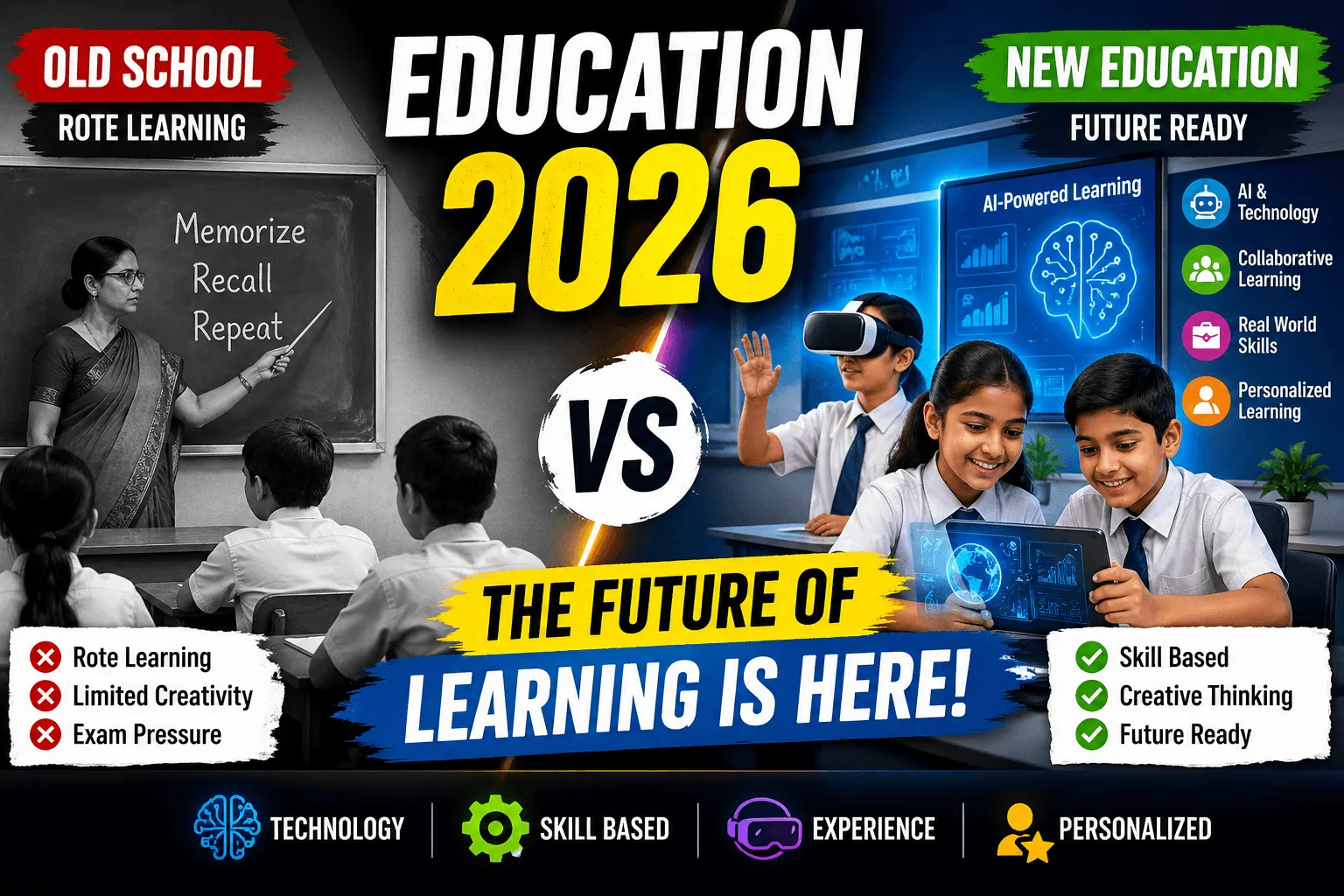
Across India and the world, institutions are rethinking how learning is delivered, what is taught, and why it matters. The shift is clear: from rote memorization to experiential understanding, from standardized teaching to personalized learning, and from degrees to demonstrable skills.
This blog explores the latest trends in education, their real-world impact, and how they are shaping the future for students, educators, and institutions alike.
1. The Rise of Technology-Driven Education
Technology has become the backbone of modern education. From smartboards to AI-powered platforms, digital tools are redefining how knowledge is delivered and consumed.
Key developments include smart classrooms, LMS platforms, AI-based learning tools, AR/VR experiences, and digital assessments. These innovations enable adaptive learning and provide personalized experiences to students.
Artificial Intelligence plays a major role by offering personalized learning paths, automated grading, and predictive analytics. It enhances teacher efficiency and improves student outcomes.
Benefits include accessibility, engagement, flexibility, and data-driven teaching.
2. Blended Learning: The Best of Both Worlds
Blended learning combines traditional classroom teaching with digital learning methods. It allows students to learn at their own pace while maintaining structure.
This model includes offline classes, online lectures, digital assessments, and self-paced modules.
It improves flexibility, accessibility, and engagement while helping teachers track performance effectively.
3. Experiential Learning: Learning by Doing
Experiential learning emphasizes practical application. Students engage in projects, internships, simulations, and case studies.
It improves critical thinking, problem-solving skills, confidence, and real-world readiness.
Employers prefer candidates who can apply knowledge effectively, making experiential learning essential.
4. Skill-Based Education: The Shift from Marks to Mastery
Education is shifting from marks-based evaluation to skill-based development. Students are encouraged to build practical and industry-relevant skills.
Key skills include digital literacy, coding, communication, critical thinking, creativity, and leadership.
Vocational training programs such as robotics, drone technology, and entrepreneurship are gaining importance.
5. Collaborative Learning: The Power of Collective Intelligence
Collaborative learning promotes group-based activities such as discussions, peer learning, and team projects.
It enhances communication, teamwork, and leadership skills while encouraging diverse perspectives.
6. Personalized Learning: Education Tailored to Individuals
Personalized learning adapts teaching methods and content based on individual student needs.
AI-driven tools help customize learning paths and improve outcomes, making education more inclusive.
7. Gamification: Making Learning Engaging
Gamification integrates game elements such as rewards, points, and challenges into learning.
It increases motivation, engagement, and retention among students.
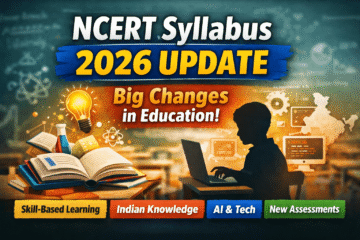
8. Policy Reforms and NEP 2020
The National Education Policy 2020 has transformed India’s education system by focusing on holistic development, multidisciplinary learning, and skill-building.
Key reforms include flexible subject choices, early education focus, and integration of technology.
9. Lifelong Learning: Education Beyond Degrees
Continuous learning is essential in a rapidly evolving world. Online courses, certifications, and micro-credentials support lifelong learning.
10. The Role of Educators in the New Era
Educators are evolving into facilitators who guide, mentor, and support students.
They must adapt to technology, encourage critical thinking, and support student well-being.
11. Challenges in Modern Education
Challenges include digital divide, infrastructure gaps, lack of training, and resistance to change.
Solutions involve investments, policy support, and teacher training.
12. The Future of Education
The future will see AI-driven classrooms, immersive learning, global collaboration, and skill-first education systems.
Education will become more personalized, innovative, and industry-aligned.
Conclusion
Education in 2026 is dynamic and future-focused. The shift toward technology, skills, and holistic development is essential.
Students must become adaptable and lifelong learners to succeed in a rapidly changing world.