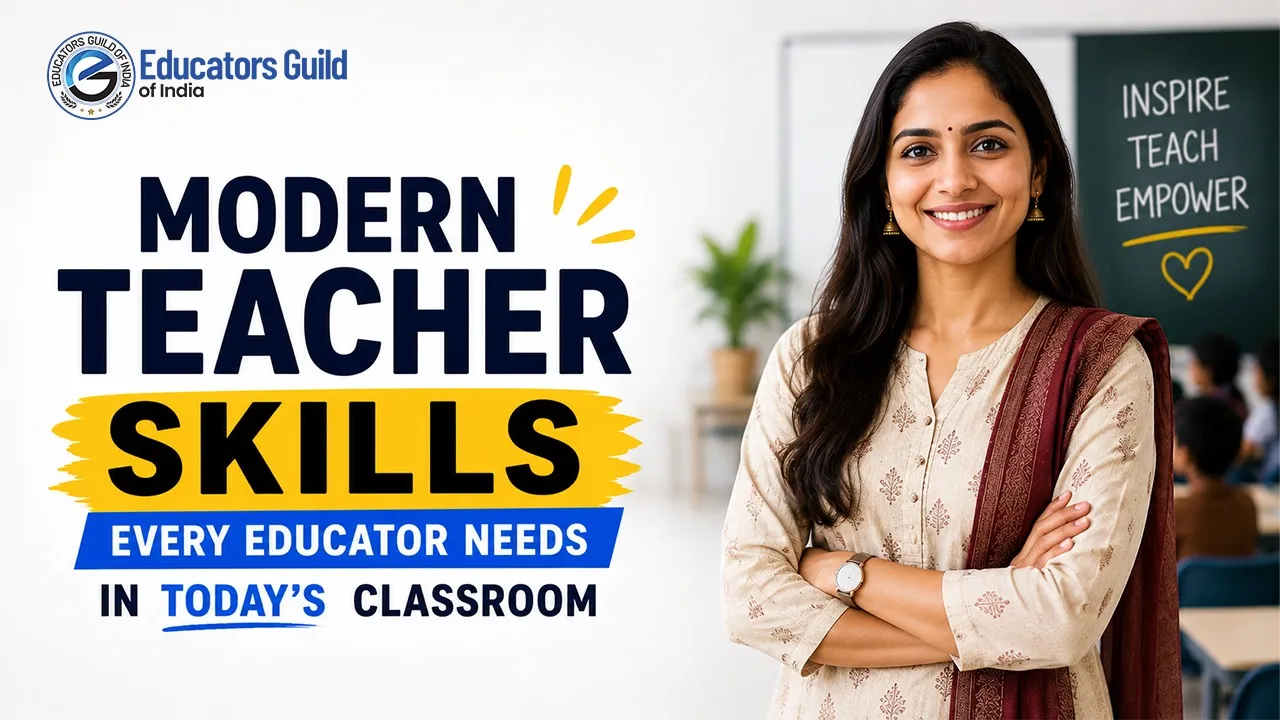
Teaching has evolved far beyond delivering lessons from a textbook. Today’s educators are expected to inspire curiosity, integrate technology, support students’ emotional wellbeing, and prepare learners for a rapidly changing world. The modern classroom demands teachers who are lifelong learners, adaptable leaders, and skilled facilitators of meaningful learning experiences.
Why Modern Teacher Skills Matter
Students today are growing up in a digital-first world where information is available instantly. While knowledge remains important, the ability to think critically, solve problems, collaborate, and use technology responsibly has become equally essential. Teachers play the most important role in helping students develop these competencies.
Essential Skills Every Modern Teacher Should Develop
- Digital Literacy
Modern teachers should confidently use digital tools such as learning management systems, AI-powered teaching assistants, interactive presentations, and online assessment platforms to make learning engaging and personalized.
- AI Literacy
Artificial Intelligence is transforming education. Teachers should understand how AI tools can assist lesson planning, content creation, assessments, feedback, and differentiated instruction while promoting ethical and responsible AI use.
- Critical Thinking and Problem-Solving
Teachers should encourage inquiry-based learning by asking meaningful questions and guiding students to analyse, evaluate, and create rather than simply memorise.
- Communication Skills
Clear communication with students, parents, and colleagues builds trust and creates an effective learning environment. Active listening is equally important.
- Creativity and Innovation
Creative teaching methods, storytelling, gamification, project-based learning, and hands-on activities increase student engagement and improve learning outcomes.
- Emotional Intelligence
Understanding students’ emotions, showing empathy, and building positive relationships create safe classrooms where every learner feels valued.
- Classroom Management
Effective classroom management combines discipline with respect, collaboration, and positive behaviour strategies that support learning.
- Collaboration and Teamwork
Modern education requires teachers to work closely with colleagues, school leaders, parents, and external experts to create richer learning experiences.
- Adaptability
Curriculum changes, emerging technologies, and diverse student needs require teachers to continuously adapt their teaching strategies.
- Assessment and Data Analysis
Teachers should use formative assessments and learning data to identify student strengths, learning gaps, and personalise instruction.
- Inclusive Teaching
Every classroom is diverse. Teachers should adopt inclusive practices that support students with different abilities, learning styles, and backgrounds.
- Continuous Professional Development
The best teachers never stop learning. Attending workshops, earning certifications, reading educational research, and participating in professional learning communities keep educators current.
The Future Teacher
The teacher of the future is not replaced by technology; instead, technology empowers great teachers to become even more impactful. Human connection, mentorship, creativity, and ethical guidance remain qualities that no technology can replace.
Final Thoughts
Modern teaching is about preparing students not only for examinations but also for life. By developing digital confidence, AI literacy, communication, empathy, creativity, and lifelong learning habits, teachers can create classrooms that inspire innovation, resilience, and success. Investing in these skills today will help educators shape confident, capable, and future-ready learners for tomorrow.